The fall phone call
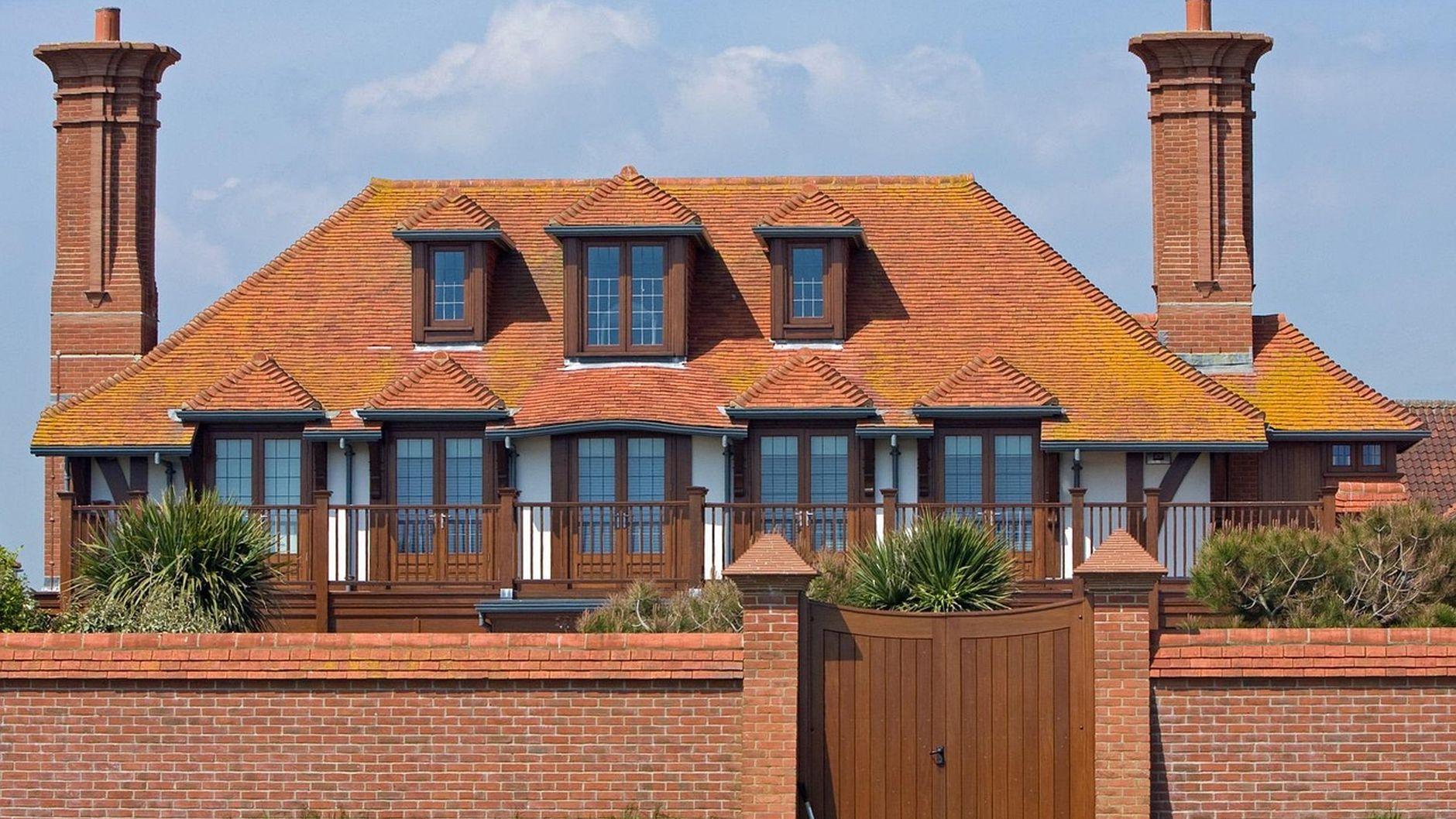
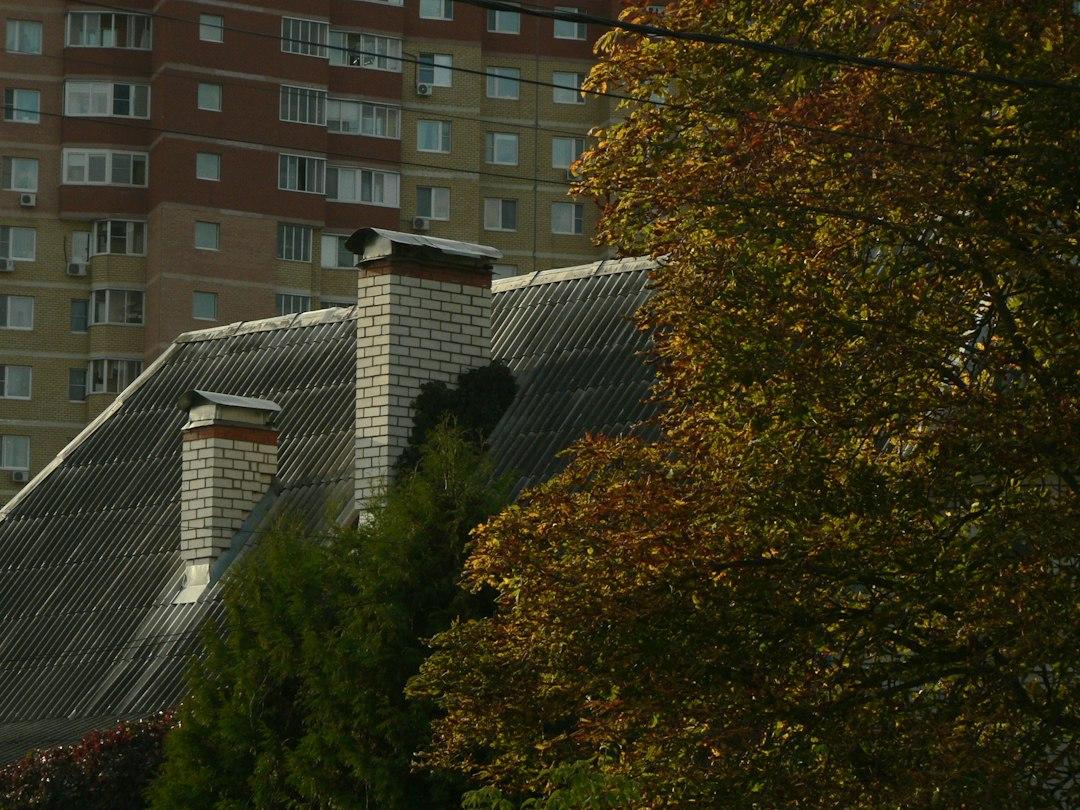
Every year the first Santa Ana forecast brings the same call. Someone in Norwalk stands in the driveway, looks up, and sees bare clay tile at the top of the chimney with nothing over it. Two worries follow. Where do the sparks from a winter fire go? And what happens when a gusty night carries embers from somewhere else onto the roof?
Both are fair. An open flue works in two directions. Burning flakes of paper and soot can ride the draft up and out of it, and on a dry, windy evening a glowing ember can drop down into it and land on a smoke shelf that has collected a year of leaves and twigs.
A spark arrestor cap shuts that path without choking the chimney. It is a metal hood over the flue with a mesh skirt on every side. Smoke and hot gas pass through the mesh. Anything big enough to stay lit gets caught against the steel and burns out there. The hood also keeps winter storms off the flue tile and the smoke shelf, and in this part of Los Angeles County the wet months are the same months the fireplace gets used.
What sets the cap price
We install caps quoted after we measure, with the metal and the roof work included. Prices differ, because "a cap" covers very different pieces of hardware.
- One tile, one story. The simplest job. A single flue tile above the crown, a stainless cap clamped to it, a short ladder to a low roof. Many Norwalk ranch houses are this job.
- Several tiles on one chimney. Each tile can take its own cap, or one wide cap can cover the whole top. The wide cap costs more in steel, often saves labor, and shields the crown at the same time.
- A top built to measure. Older brick chimneys sometimes have tiles of odd sizes, tiles at different heights, or no tile at all. Those get a cap made to our measurements, and that costs the most.
- Heavier metal or copper. Some owners want a thicker sheet that holds its shape through years of wind, or copper to match the gutters. The quote shows the difference so you can choose.
- Height and pitch. A second story or a steep roof adds setup time, not metal.
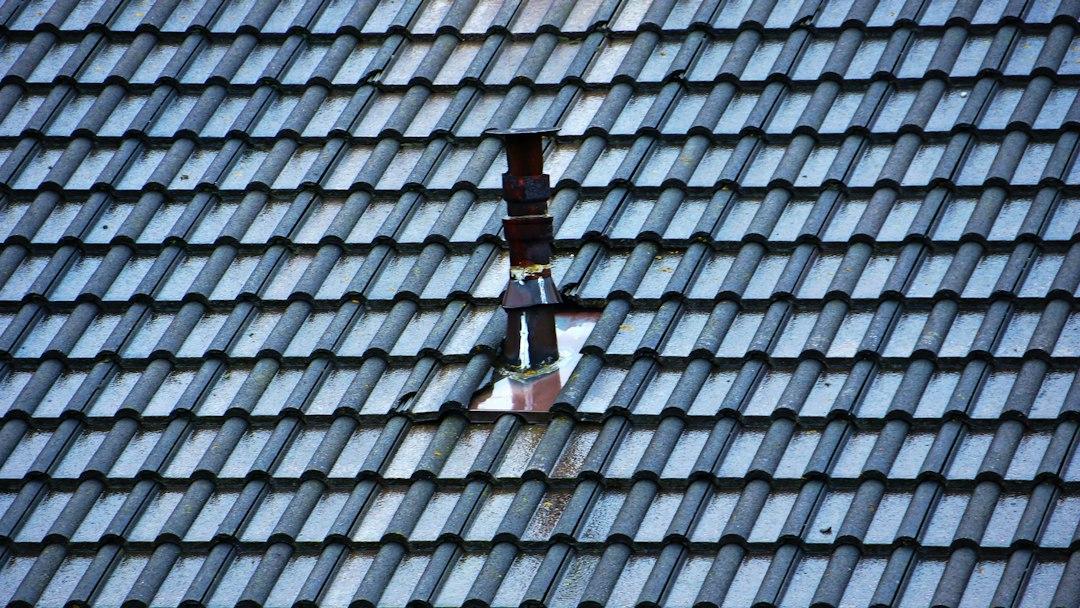
A factory built metal chimney is its own case. Its cap is one of the tested parts of that system, so we order the matching part from the maker instead of fitting a generic hood, and the quote names it.
What we look at before a cap goes on
A cap fastened over a flue packed with creosote is a lid on a fire hazard. So before any install we shine a light down from the top. If the tile is coated thick with hard, shiny deposits, we tell you and price a chimney sweep first, from $405. If the top tile is cracked, or the crown around it has broken up, a cap will not hold well on it, and we say so plainly. Crown and flashing work gets its own written figure once we have stood next to it, and the cap waits until the top is solid.
We also match the mesh to the fuel. Mesh that is too tight clogs with soot and slows the draft. Mesh that is too open lets embers slip through. We choose an opening that balances the two for what you burn and write it on the invoice.
Getting a firm number
The quote form on this page is the quickest route. Give us the street, whether the house is one story or two, and whether the fireplace burns wood, gas or nothing at all these days. If you can count the clay tiles at the top of the chimney from the yard, add that number. We call back to set a visit, measure on the roof and give you the figure before any metal goes up.
Fitting the cap to the fire calendar
Santa Ana winds blow mostly from fall into winter. The dry weeks before the first real storm are when an open flue matters most for embers coming in. Burn season, from the first cold night to spring, is when sparks going out are the concern. A cap fitted in late summer covers both stretches.
The air district adds its own calendar. During the winter months the South Coast air district can declare no-burn days for wood across Norwalk and the rest of the basin, so many households burn less wood than they used to, and some have moved to gas logs. A gas fireplace still wants a cap. Rain, birds and blowing leaves pay no attention to what fuel burns below.
Jobs that tend to come along
Caps come up during other work. A Level 1 inspection at $52 notes an open flue, a rusted hood or a torn screen. A house sale often turns one up too, and our home sale page explains who receives that report. If water comes in during winter storms, a cap may be part of the answer but rarely all of it; our post on leak repair cost covers the rest. We fit caps across Downey, La Mirada and La Habra as well, and the cap installation page has the details of the work.
Short answers
Will a cap hurt the draft? One sized to the flue, with mesh suited to the fuel, does not hold back a working chimney. Mesh caked with soot does, which is why every sweep we do includes a look at it.
Does it keep animals out? Yes, while the mesh is whole and the hood is fastened down. A raccoon can pry off one that is loose.
How long does one last? Stainless steel lasts many years on most houses. Galvanized steel rusts far sooner, and rusted mesh is a screen in name only.
Before the wind arrives
A bare chimney top, a torn screen or a hood that has rusted through is a job for the quiet weeks before the Santa Anas, not the middle of them. Reach us through the contact page and we will arrange a visit to measure and price your chimney top.
Is Your Chimney Ready for Fire Season?
Jeffries Chimney Contractors works from Norwalk across southeast Los Angeles County. We sweep the flue, check or fit the spark screen, and leave you a report with the fire-risk items first.