Summer does the damage, winter shows it
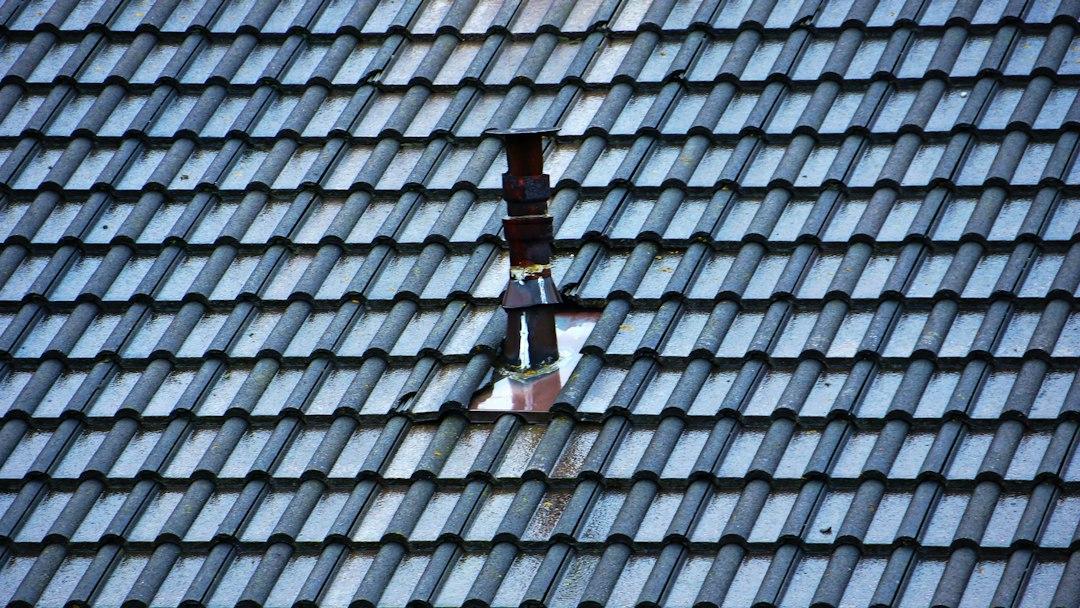
A chimney rarely starts leaking in a storm. It starts in August. Long hot weeks bake the sealant at the base of the chimney until it shrinks and splits. Mortar dries out and loosens. The metal where chimney meets roof expands every afternoon and contracts every night. Then the first real storm of the season arrives in Norwalk and finds every gap at once.
Where water gets in, it does more than stain a ceiling. It rusts the damper so it no longer closes, which leaves an open path for embers the next windy fall. It rusts the mesh on a spark arrestor cap until the screen has holes. It soaks into creosote and leaves an acid smell in the room on damp days. And it softens the brick and mortar that keep heat away from wood framing. A leak is a fire safety problem as much as a water problem.
Our price for leak work
Tracing and repairing a chimney leak with us costs $540 to $3,200. The visit starts with finding the source, because water rarely shows up inside right below where it entered. It can travel along a rafter or down the face of the brick in the attic before it reaches the ceiling.
What places a job inside that range:
- One source or several. A single split seal at the base is a small job. A leak fed by the top, the sides and the joints at once is a larger one.
- The roof. Asphalt shingle is quicker to open and close around a chimney than clay or concrete tile, which has to be lifted and reset piece by piece.
- The size of the chimney. A narrow stack on a ranch house has less edge to seal than a wide one on a two story house.
- How long the water has been getting in. Damp brick that has started to crumble needs more work than brick that only got wet.
Two related jobs with their own prices
A water diverter behind the chimney. When a chimney is wide and sits across the slope of the roof, rain coming down from above hits the back of it and has nowhere to go. A small ridged diverter built behind the stack turns that water to either side. On its own we price it at $430 to $970.
The diverter with new metal around the whole chimney. If the old metal at the base is rusted or poorly fitted, it makes sense to replace it while the diverter goes in. Together, $645 to $1,600.
A cap. An open flue takes rain straight down onto the damper and the smoke shelf. A spark arrestor cap, quoted after we measure the flue, stops that and catches embers at the same time; our cap price post explains what sets the price.
Crown repair and a water repellent for the brick depend on what the visit finds, and we write those up separately with photos.
Booking the visit
The form on this page is the place to start. Tell us which room the water appears in, how close it is to the fireplace wall, and whether it comes with light rain or only with long, wind-driven storms. With that we know how to plan the visit and what to bring onto the roof. If the house is being sold, say so, because the buyer's paperwork may need a Level 2 inspection at $375 alongside the repair.
What we check on the roof and in the attic
- The seal where roof meets brick on all four sides.
- The top of the chimney: the crown, the cap and its mesh.
- Mortar joints and brick faces, especially on the side facing the storms.
- The attic, where the chimney passes the framing, for damp wood or old stains.
- The damper and smoke shelf, for rust and standing water.
Each finding comes back with a photo and a line on whether it is causing the leak now or is likely to.
When the water has reached the fire parts
Some leaks stay in the attic. Others work their way into the parts of the chimney that handle heat, and those change the plan. Signs we look for, and that you may notice yourself from the room:
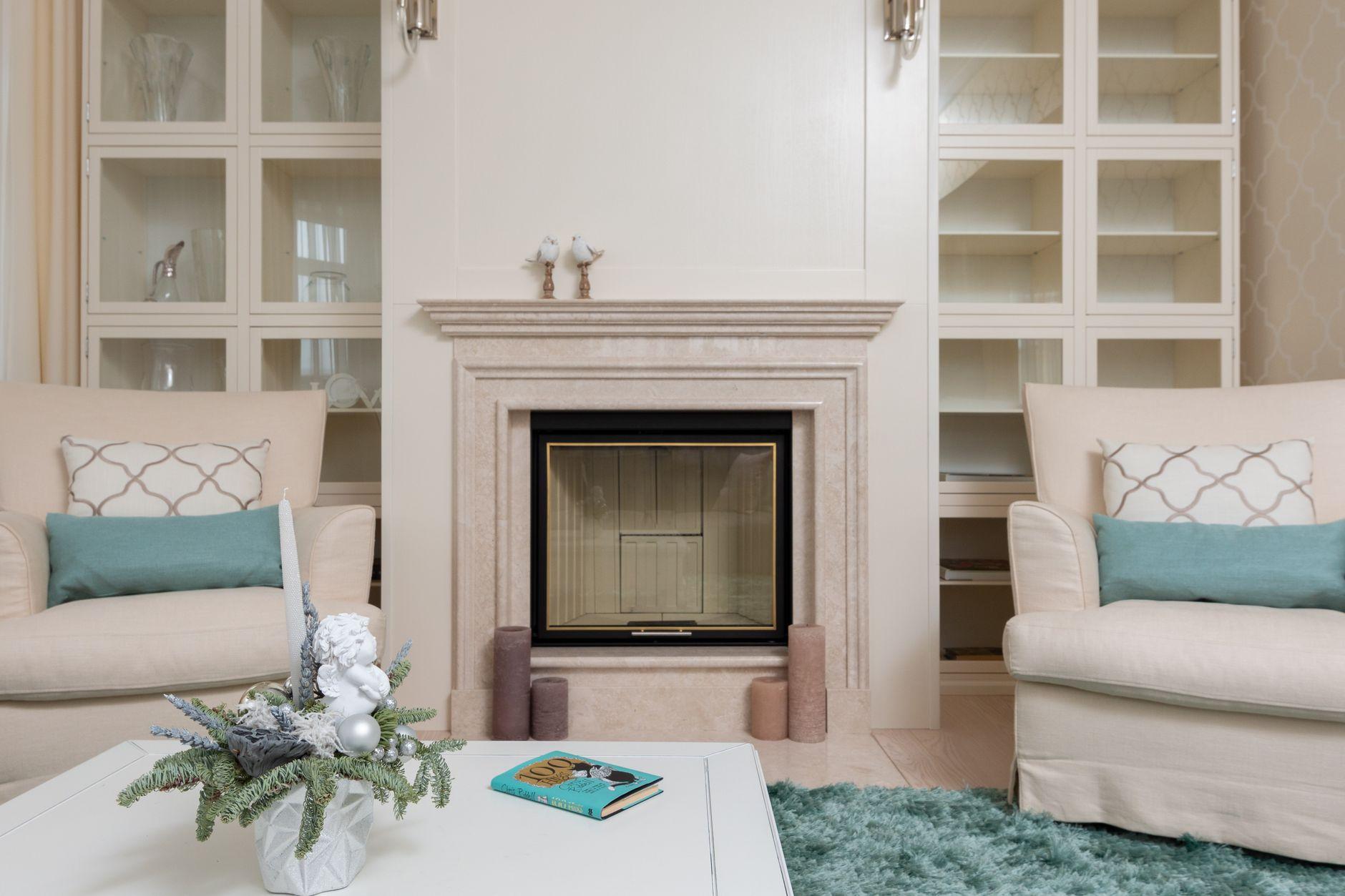
- A damper handle that has gone stiff, or a plate that no longer seats, because rust has built up on the frame.
- Flakes of rust or wet black crumbs on the floor of the firebox after a storm.
- White crust on the brick inside the fireplace, which is salt left behind as water dries out of the masonry.
- A sour, tarry smell from the hearth on humid days.
Any of these means water has been sitting where fire works. We price the leak repair first, then tell you whether the damper, the smoke shelf or the flue needs attention before the next burn season. If the flue itself is in question, the camera from a Level 2 settles it.
Why not just caulk it
A bead of caulk at the base of a chimney can stop a drip for one season. Then summer heat splits it again. We use sealant as part of a repair, not as the repair. Metal that is cut into the brick and lapped over the roofing keeps water out because of how it sits, not because of glue.
What happens after
Once the leak is stopped, we suggest a quick check after the next big storm. If the stain stops growing, the job is done. If not, we come back to look at the source we fixed. Our chimney leak repair page and flashing repair page have more on the work itself.
Around Norwalk
We trace leaks across Downey, La Mirada and La Habra too. Older houses in these cities often have brick chimneys that have seen decades of sun and storms, and many have never had the seal at the roof replaced.
Before the next storm
A ceiling stain near the fireplace or a damp smell on the hearth after rain is worth a call before the next front, not after it. Start on the contact page and we will set up the visit to trace it.
Is Your Chimney Ready for Fire Season?
Jeffries Chimney Contractors works from Norwalk across southeast Los Angeles County. We sweep the flue, check or fit the spark screen, and leave you a report with the fire-risk items first.