The question behind the switch
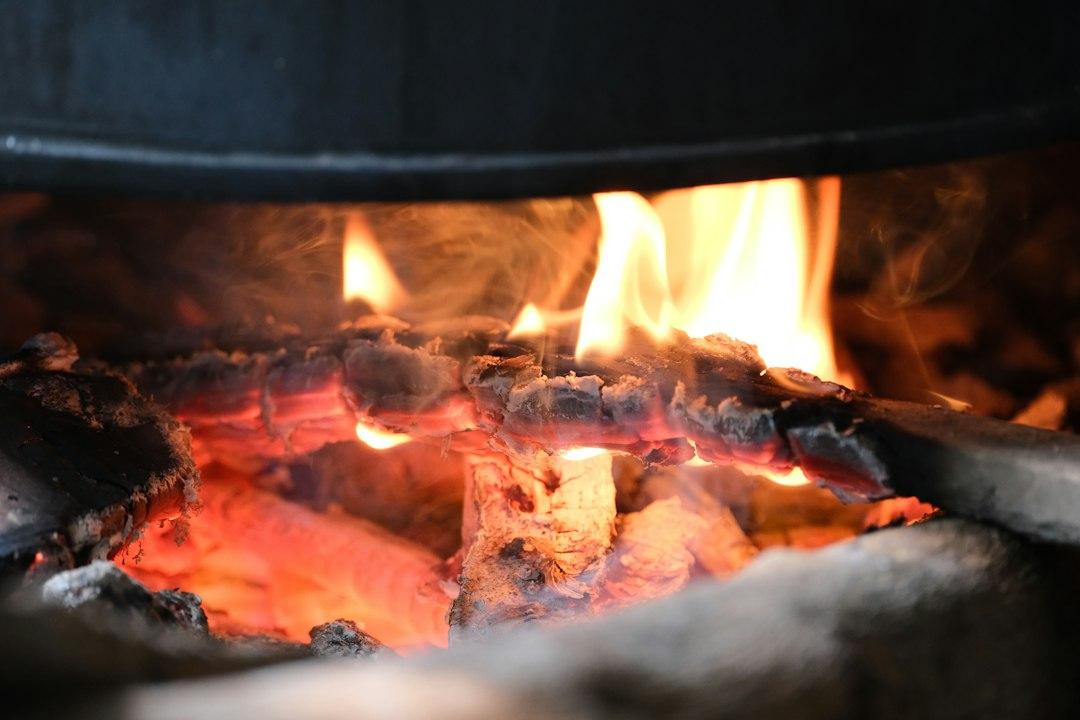
Most people who ask us about a gas insert are not tired of fires. They are tired of what comes with them: hauling wood, smoke in the room, a winter of no-burn days, and an uneasy feeling every time the wind picks up and sparks rise from the chimney. In Norwalk, with houses close together and Santa Ana winds blowing into the burn season, that last one comes up more than any other.
This post weighs the two honestly. A wood fire is not wrong, and a gas insert is not right for every house.
What changes with a gas insert
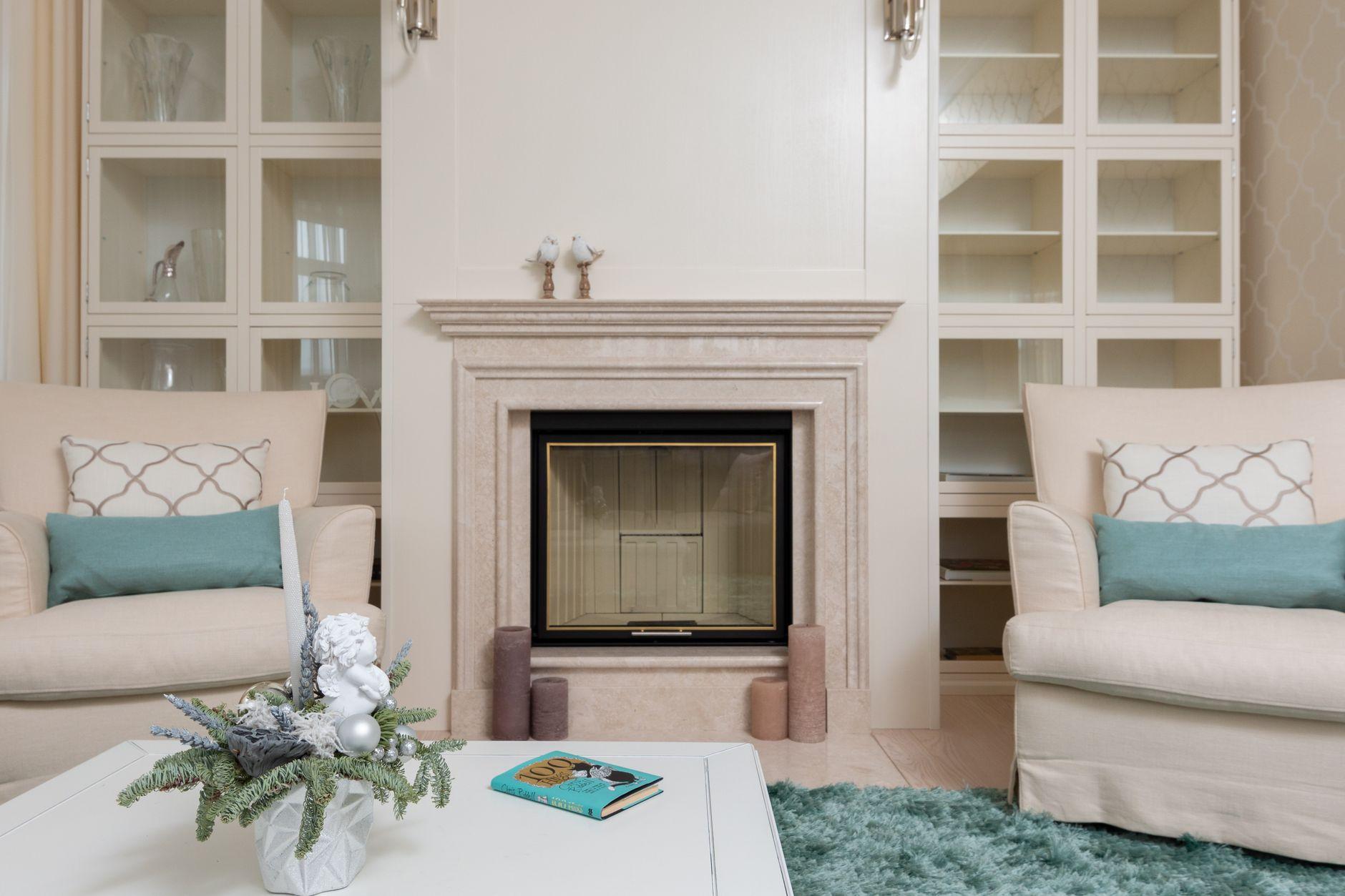
An insert is a closed metal firebox with a glass front, set into the masonry fireplace you already have. It burns natural gas, vents through a liner up the old chimney, and is lit with a switch, a wall control or a remote.
From a fire safety angle, the differences are large:
- No sparks, no embers. Gas leaves nothing burning to ride the draft out of the chimney.
- No creosote. Gas leaves very little buildup in the flue, so the chimney fire risk that comes with wood falls away.
- A closed front. Nothing can roll out onto the hearth or the rug.
- No-burn days do not apply. The South Coast air district limits wood burning on bad air days in winter. Gas units are not part of that ban.
What you give up
- The fire itself. Gas flames look good, but they are not wood. Some people miss the crackle and the smell.
- Heat in a power outage. Many inserts need a little electricity for the blower or the ignition. Some run without it; ask.
- The open hearth. The fireplace becomes an appliance with glass in front of it.
What it costs
Installed, a gas insert with Jeffries Chimney Contractors comes to $2,700 to $5,400. The price includes the unit, the liner to the top of the chimney, the connection to the gas line, and a cap at the top. Where in the range your job lands depends on:
- The unit. Size, the look of the flame and logs, and the controls.
- The firebox. Some openings take a standard unit; others need a surround made to fit.
- The chimney height, which sets the length of liner.
- The gas supply. Whether there is already a line to the hearth or one has to be run.
If the room you want to heat has no fireplace at all, a sealed gas fireplace vented straight out through the wall is another option. That build runs $4,300 to $8,650.
The chimney still matters
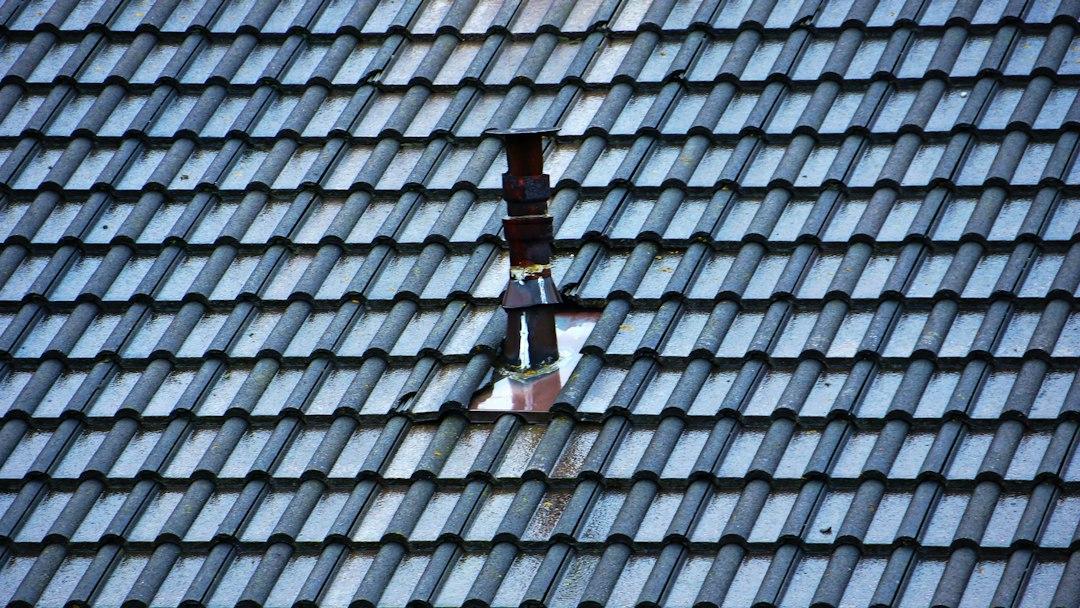
An insert does not retire the chimney. The liner runs inside it, and the cap on top keeps out rain, birds and leaves. Before any insert goes in, we sweep the old flue, from $405, so years of wood creosote are not sealed in behind the new liner. We also look at the crown and the masonry; a crumbling chimney top is a repair to make before the insert, not after. If anything about the flue is in doubt, a Level 2 inspection at $375 shows it on video.
Keeping wood, safely
If you love the wood fire, keep it and make it safe:
- A spark arrestor cap with intact mesh: quoted after we measure; see our cap cost post.
- A sweep before each burn season; see our sweep price post.
- A yearly inspection, $52 for a Level 1.
- A damper that closes, so embers cannot drop in when the fireplace is off.
- Dry, seasoned wood burned hot, never trash or wrapping paper, which throw large burning flakes.
Getting a quote for an insert
Start with the form on this page. Tell us whether the house already has gas at or near the fireplace, how big the opening looks next to an ordinary doorway, and whether the fireplace has burned wood recently. We call back to set a measuring visit, then send a written quote that names the unit, the liner and the gas work, each priced.
A middle path
Some households go halfway with a set of gas logs in the open firebox. That ends the wood hauling and the sparks, but an open fireplace with gas logs heats a room far less than an insert, and the damper has to stay partly open. Our gas logs page covers that option. For inserts in general, see fireplace inserts.
Short answers on inserts
Does an insert need its own cap? Yes. The liner ends at the top of the chimney under a cap, which keeps rain off the liner joint and birds out of the opening.
Will the old damper stay? Usually not in working form. The liner has to pass through the throat of the fireplace, and the old damper is either removed or locked open so it never closes on the gas vent.
Can a wood insert do the same job? A wood insert also closes the front and burns cleaner than an open fire, but it still makes sparks and creosote, and it still falls under winter no-burn days. For a household whose main worry is embers, gas answers it more fully.
What about the mantel? Most mantels stay. We check the distance from the top of the insert to any wood above it and tell you if the trim needs a change.
Around Norwalk
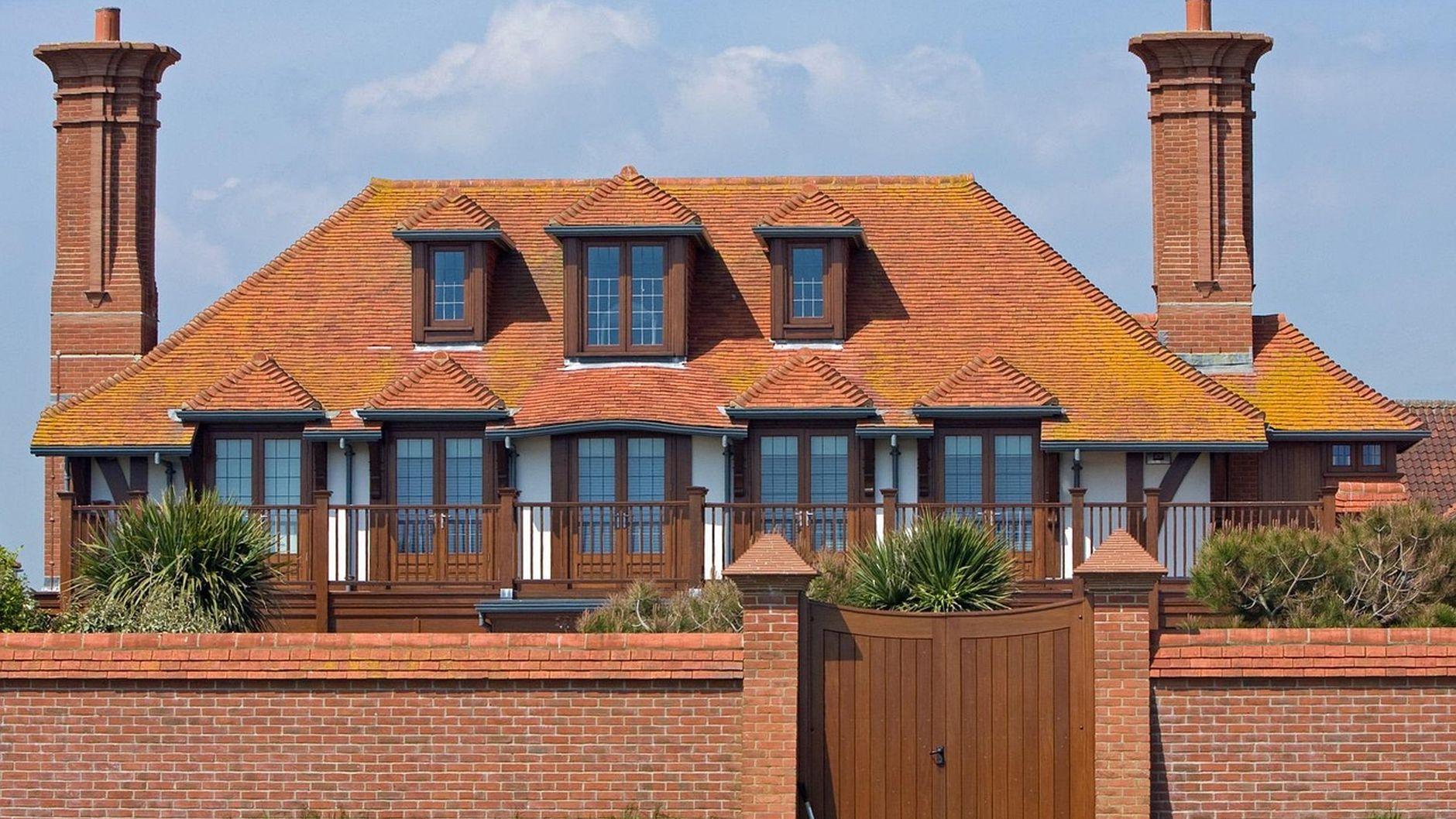
We fit inserts across Downey, La Mirada and La Habra as well. Many houses in these cities have brick fireplaces built for wood that suit an insert with little change to the room.
Deciding
If you want to talk through gas against wood for your own fireplace, send us a note through the contact page and we will set up a visit to look at the opening and the chimney.
Is Your Chimney Ready for Fire Season?
Jeffries Chimney Contractors works from Norwalk across southeast Los Angeles County. We sweep the flue, check or fit the spark screen, and leave you a report with the fire-risk items first.